


Description
Three 2.25 L Bottles in the Door.
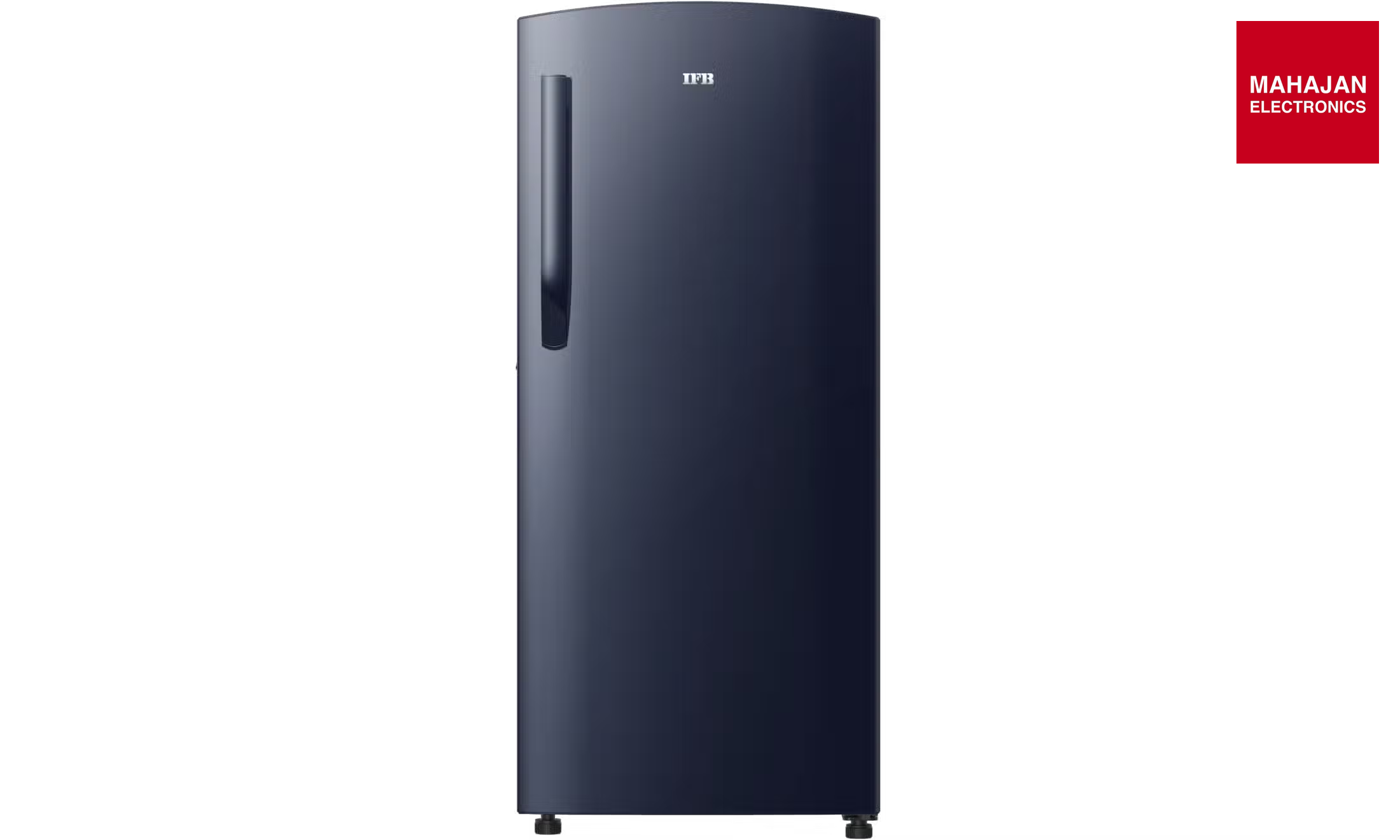
187 Litres, Converti Cool, in Cobalt Blue.
174 L fresh food + 13 L freezer · Direct Cool natural convection · big vegetable crisper with humidity control · toughened glass shelves · thick insulation · R600a refrigerant · door lock with key · runs on your home inverter · 10-year compressor warranty
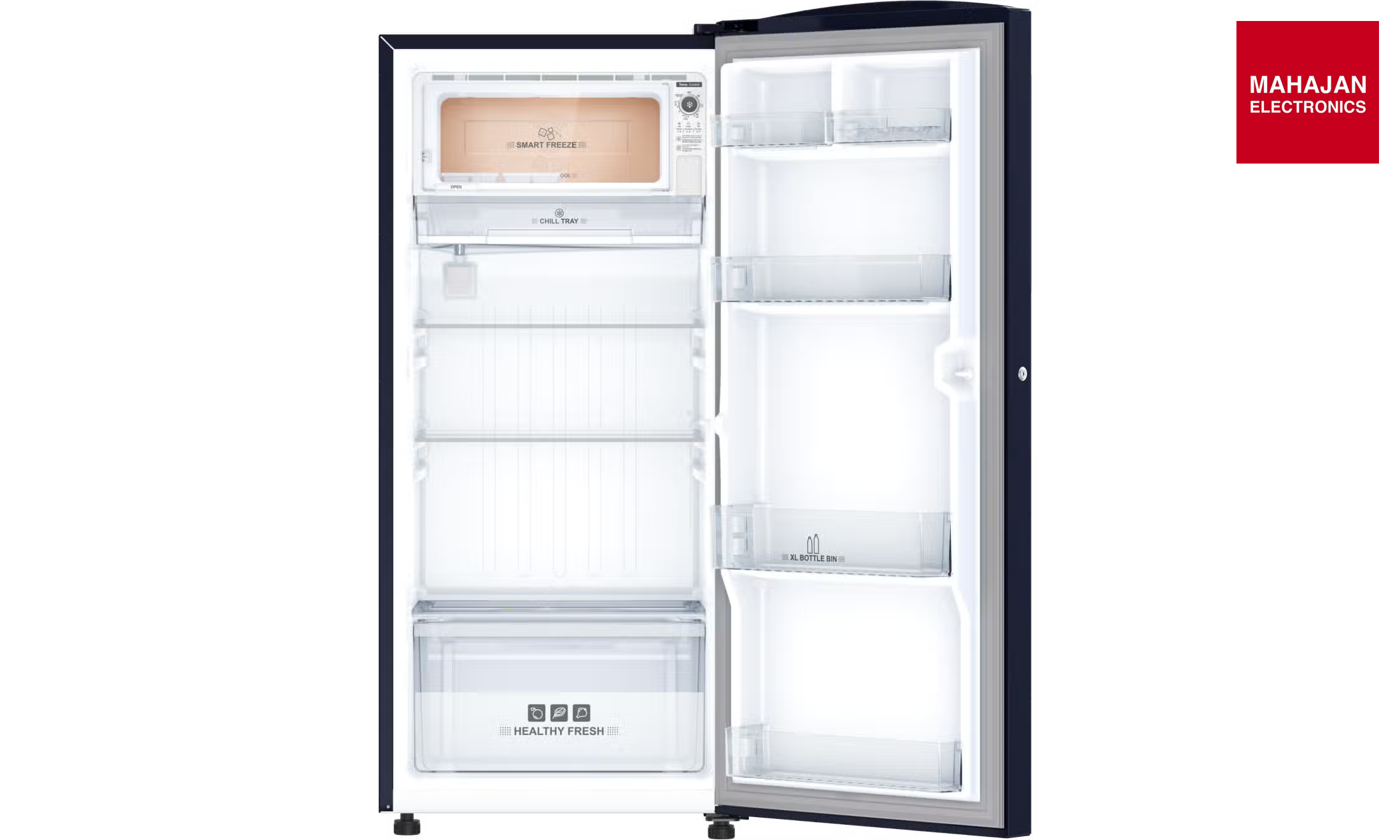
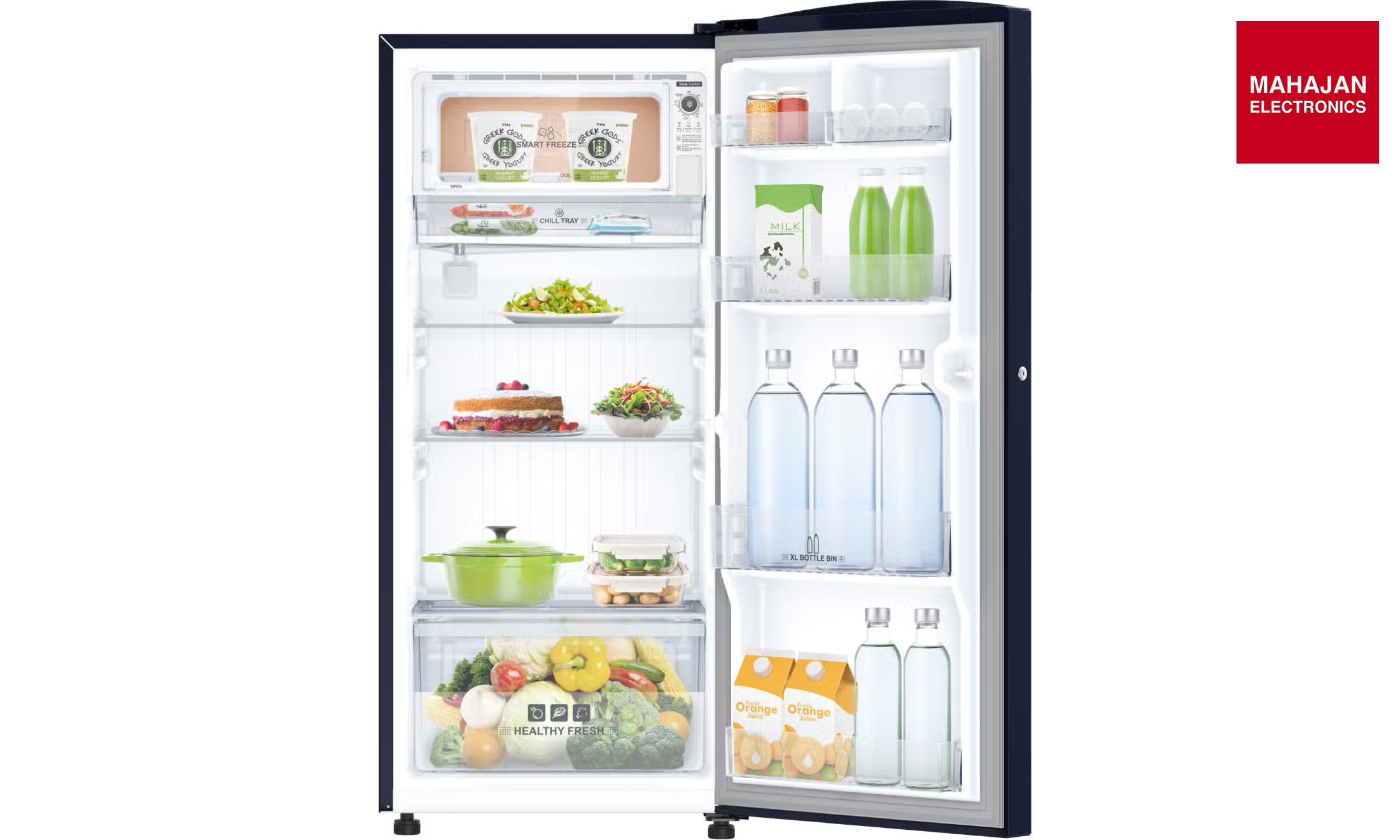
Come May in Delhi, the single most-opened thing in the house is the water bottle shelf. Two-and-a-quarter-litre bottles are what actually come home from the market, and most single-door fridges make you lay them on their side across a shelf, taking the space where the dal was supposed to go. The XL Bottle Bin on this IFB stands three full 2.25 L bottles upright in the door — chilled water for a whole family through a 45°C afternoon, with the main cavity left entirely free for food. Behind them, 174 litres of fresh-food space and a 13-litre freezer for ice, in a cabinet compact enough for a two-bedroom flat's kitchen.
Converti Cool Technology — freezer cooling that becomes fridge space when the week demands it
A single-door fridge normally hands you one fixed freezer, take it or leave it. Converti Cool lets you adjust freezer cooling into fridge space during high-usage periods, so the box follows the week you are actually having. Relatives staying over and every shelf loaded with mithai, curd and cold drinks? Push the capacity toward the fresh-food side and get better cooling distribution where the food is. Peak summer, and it is ice trays and cold water that matter? Send it back the other way. It is the flexibility of a much bigger refrigerator, in a cabinet that still fits the gap beside the kitchen slab — and it means the fridge stops deciding how you shop.
Home inverter compatible + thick insulation — built for Delhi's power supply
Power cuts are a fixture of the Delhi calendar, and every hour the fridge is off is an hour the milk is warming. This IFB is inverter compatible — connect it to a compatible home inverter and it starts and runs on backup power, so an afternoon outage in May does not cost you a fridge full of food. Thick insulation does the rest of the work: it slows heat coming in from a 45°C ambient, so with the door kept shut the cabinet holds its cold for hours on its own. Direct Cool's natural convection needs no fan at all, which makes it a quiet machine and a light one on the electricity bill. R600a refrigerant — a natural hydrocarbon with a Global Warming Potential of just 3 — keeps it efficient and easy on the environment while it does it.
🥦 Storage sized for how a Delhi household really shops
XL Bottle Bin
Three full 2.25 L bottles standing upright in the door
Big Vegetable Crisper
Humidity control keeps greens and fruit fresh for longer
Toughened Glass Shelves
Take heavy steel patilas and full pressure cookers without flexing
Base Stand Drawer
Extra storage built into the base of the cabinet
🎛️ The everyday details that make it easy to live with
Door Lock & Key
Lockable door — handy for shared flats, rentals and curious toddlers
Fan-Free Cooling
Natural convection means no fan and no fan noise in the kitchen
Ice & Egg Trays
Ice trays and an egg tray in the box, ready to use from day one
Manual Defrost
A straightforward defrost system with no electronics to go wrong
🛠️ Built in, ready to use
The thick insulation is the quietly valuable one in Delhi — it is what keeps the cabinet cold through a long afternoon cut with the door shut, and what keeps the compressor from running all day in a 45°C kitchen.
The evaporator sits in the freezer at the top; cold air, being denser, sinks through the fresh-food cavity while warmer air rises to be cooled. No fan, so it runs quietly and the compressor cycles rather than running continuously.
A refrigerator is the one appliance in the house that never switches off. The 2 Star BEE rating sets the balance between what you pay for the fridge and what you pay to run it, month after month.
R600a (isobutane) is a natural hydrocarbon refrigerant with a Global Warming Potential of just 3 and slightly better thermodynamic efficiency than the older gases it replaced — good for the bill and good for the planet.
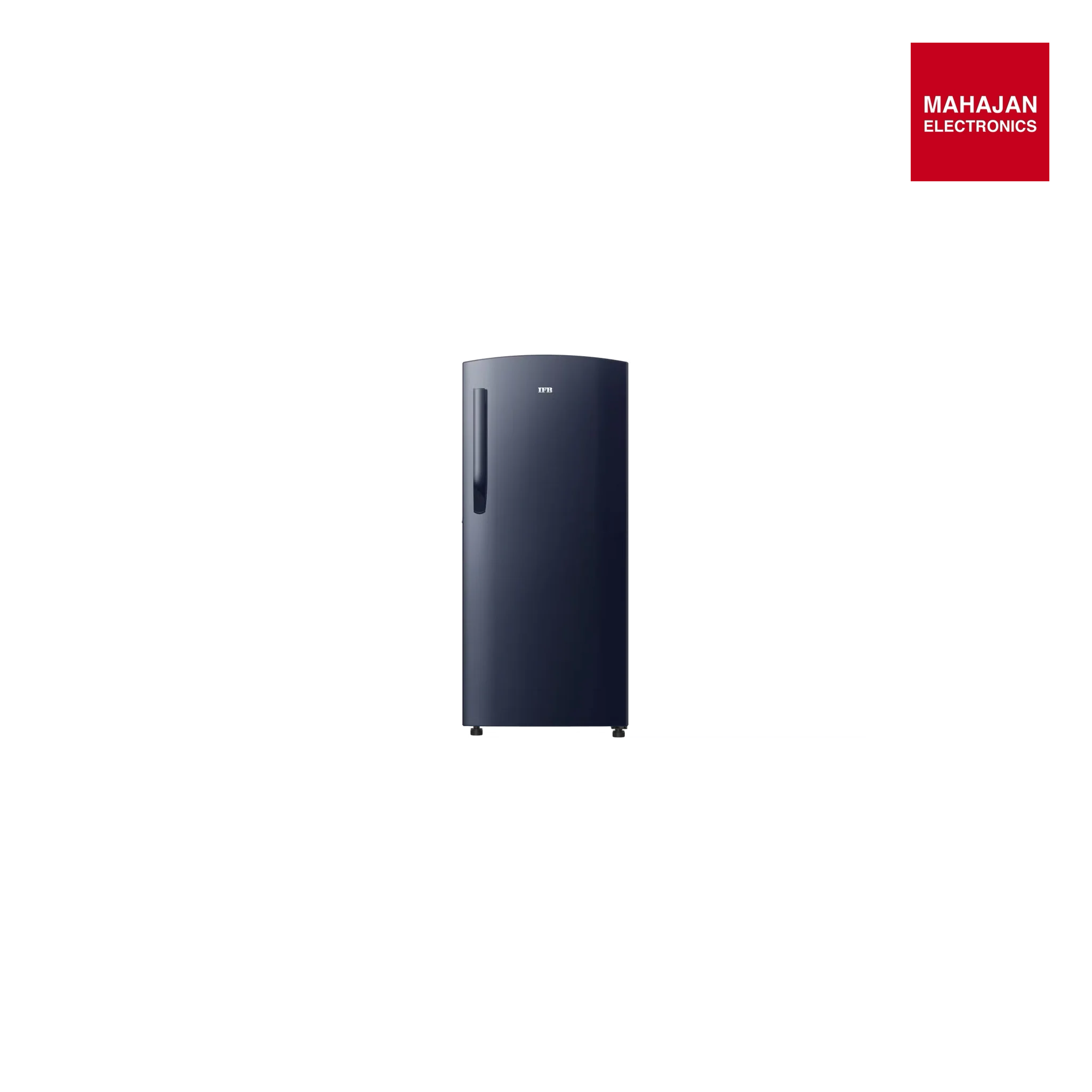
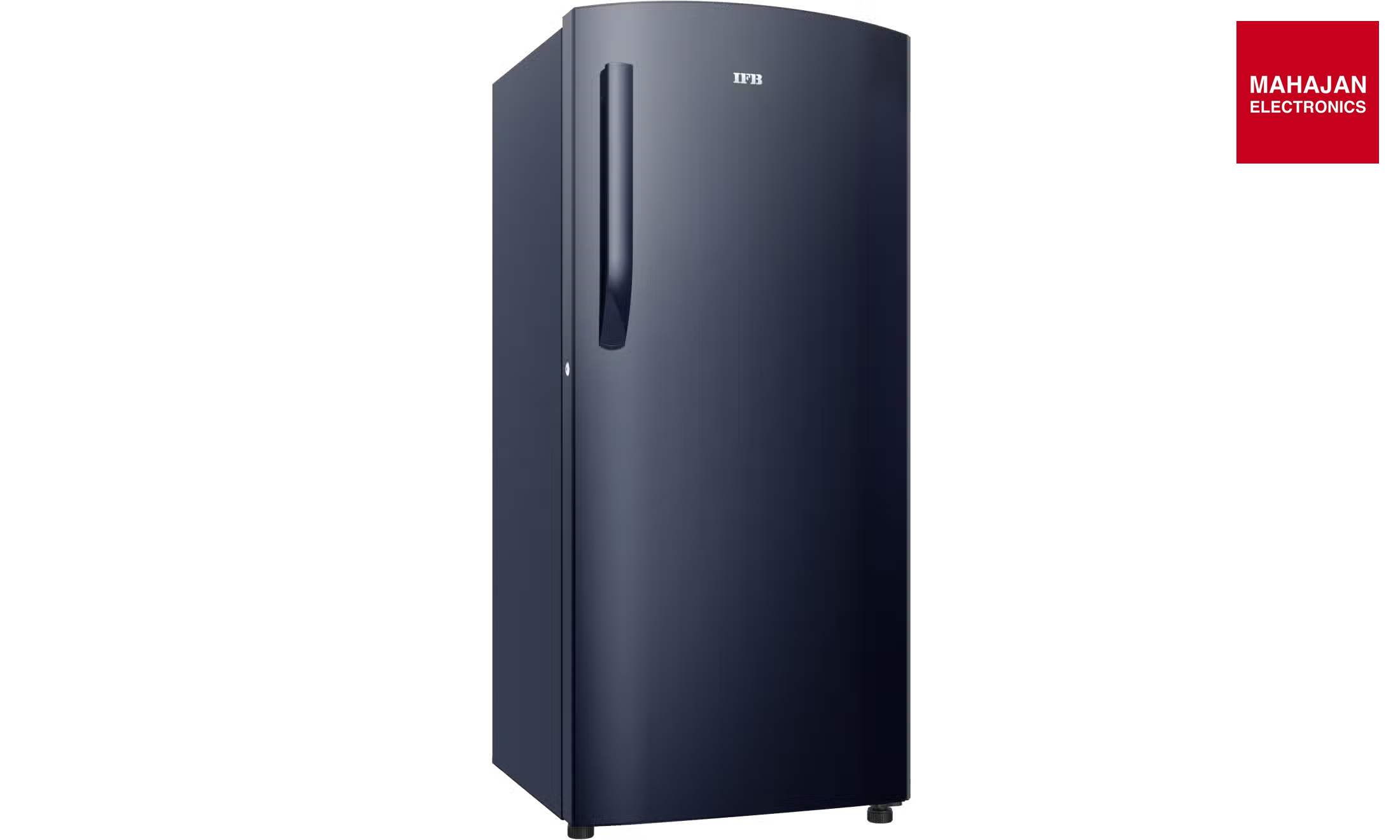
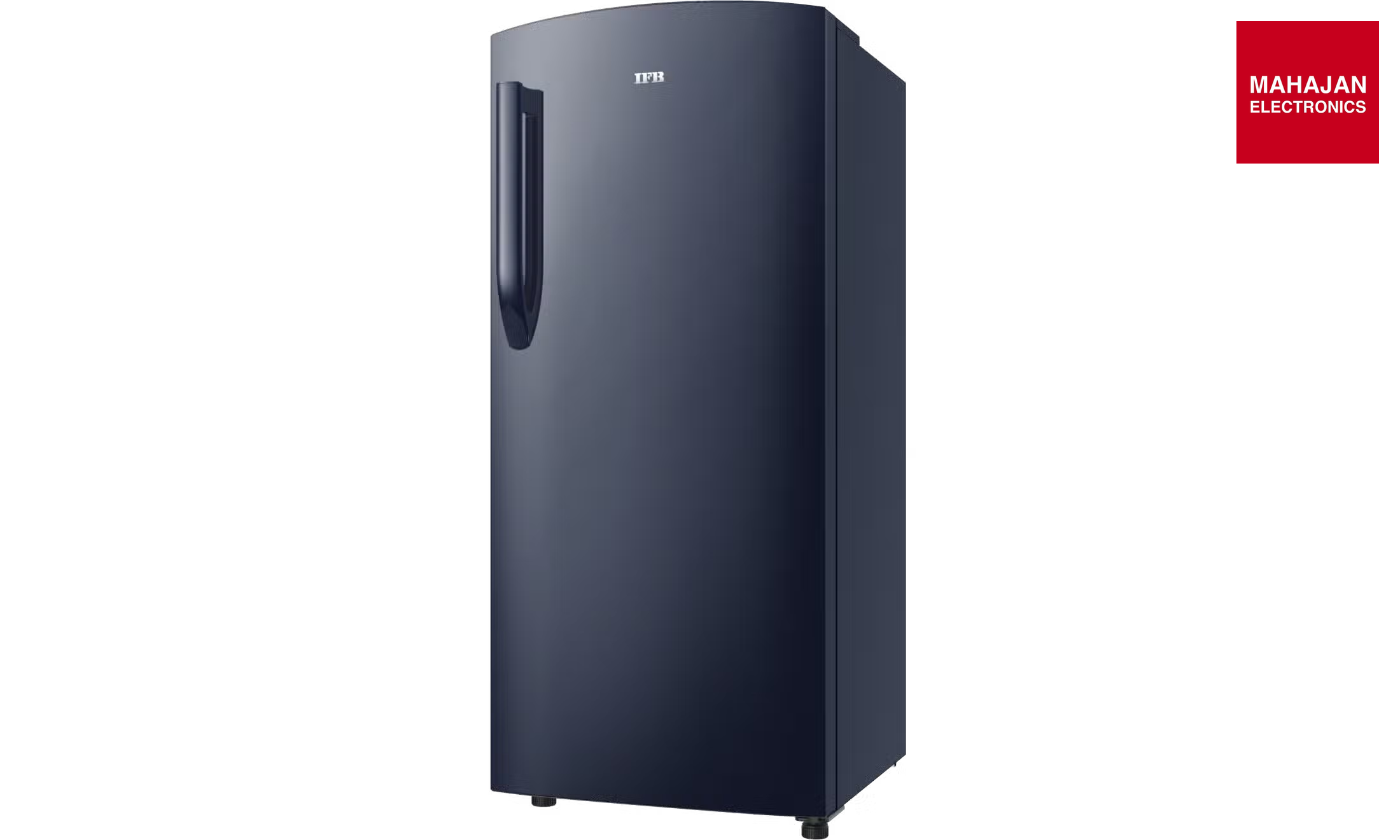
A deep cobalt blue that reads as a deliberate choice rather than another white box in the corner — the right call when the fridge stands in an open kitchen, a studio flat or a rented set.
| Brand / Model | IFB IFBDC-213BFCS ✅ |
| Type | Direct Cool Single Door Refrigerator ✅ |
| Total Capacity | 187 Litres ✅ |
| Fresh Food Capacity | 174 Litres ✅ |
| Freezer Capacity | 13 Litres ✅ |
| Energy Rating | 2 Star BEE ✅ |
| Cooling Technology | Direct Cool — natural convection, no fan ✅ |
| Converti Cool Technology | Yes — adjusts freezer cooling into fridge space ✅ |
| Compressor | Non-Inverter ✅ |
| Refrigerant | R600a (isobutane) ✅ |
| Defrost System | Manual Defrost ✅ |
| Power Support | Home Inverter Compatible ✅ |
| XL Bottle Bin | Holds 3 large 2.25 L bottles ✅ |
| Vegetable Crisper | Big Vegetable Crisper with Humidity Control ✅ |
| Shelves | Toughened Glass ✅ |
| Insulation | Thick insulation for cooling retention ✅ |
| Door Lock | Yes — with key ✅ |
| Dimensions (W×D×H) | 539 × 665 × 1228 mm ✅ |
| Colour | Cobalt Blue ✅ |
| Ideal Family Size | 2–3 Members ✅ |
| In The Box | Refrigerator Unit · Egg Tray · Ice Trays · Base Stand Drawer · User Manual · Lock Key ✅ |
| Warranty | 1 Year Comprehensive · 10 Years Compressor ✅ |
Why buy from Mahajan Electronics?
- We match capacity to your kitchen space and household size before you buy
- 45+ years of trust in home appliances, since 1981
- 24-hour delivery across Delhi NCR
- GST invoice — save up to 18% on business purchases
- 100% genuine IFB product with full brand warranty support
- Raja Garden · Jail Road · Dabri Mor
Order today. Delivered in 24 hours.
IFB IFBDC-213BFCS · 187 L · 2 Star · Direct Cool Single Door · Converti Cool · XL Bottle Bin · Door Lock · Cobalt Blue · 10-Year Compressor Warranty
🧾 Mahajan Electronics seller invoice with every order — GST invoice available for business purchases
Image for reference only.

